Why Credit Matters More Than Ever in 2025: A Deep Dive Into Financial Freedom
Introduction: Why Credit Matters More Than Ever in 2025
In today’s fast-moving digital economy, your credit score is more than just a number — it’s your financial fingerprint. It affects your ability to rent an apartment, get a car loan, qualify for a mortgage, or even land a job. And in 2025, with inflation, rising living costs, and tighter lending practices, why credit matters is more important than ever.
Whether you’re just starting out, rebuilding after a setback, or planning your next big purchase, understanding why credit matters can help you make smarter, more informed decisions. In this guide, we’ll explore what credit is, how it affects your life, and what steps you can take today to improve it.
What Is Credit and Why It Matters
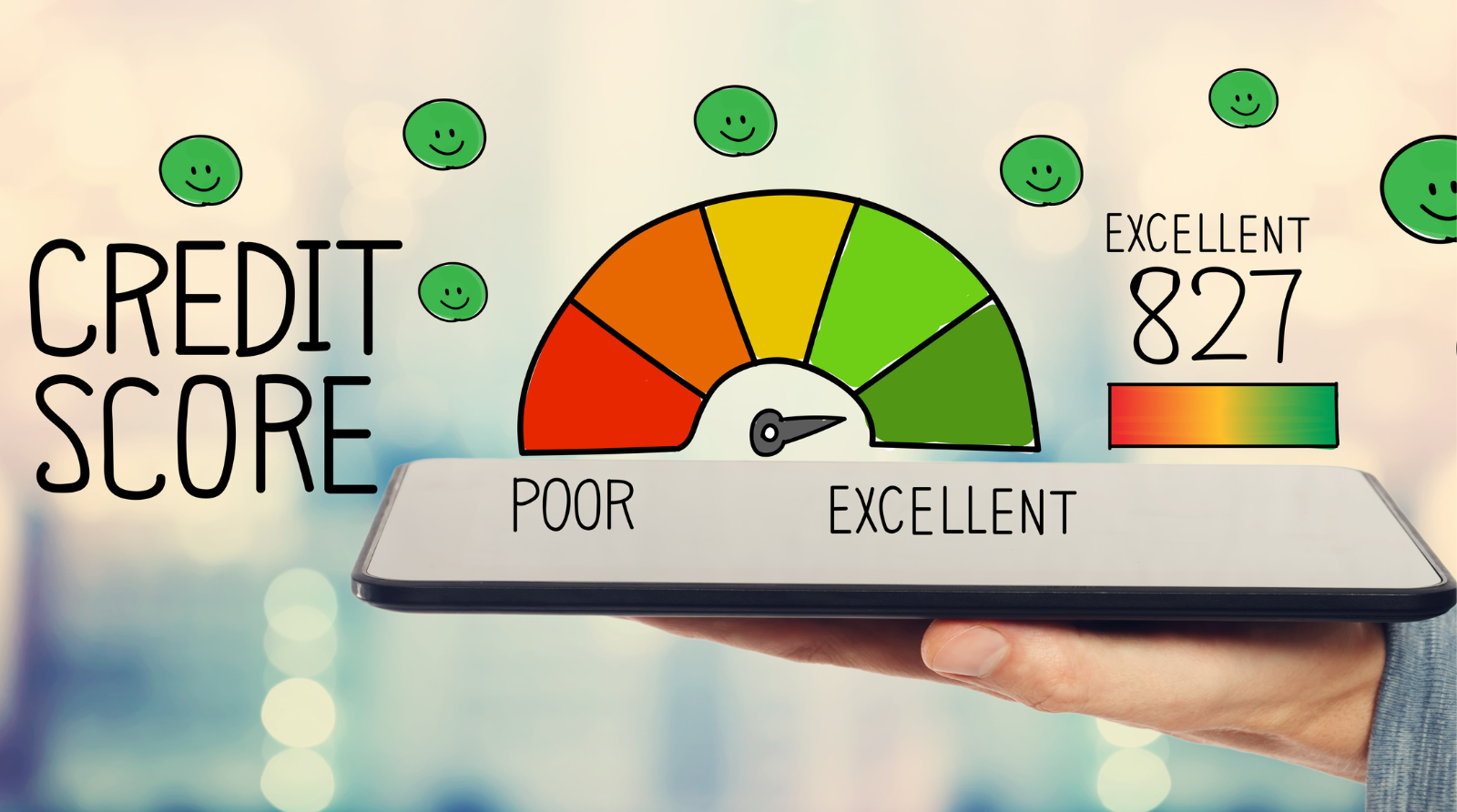
Credit refers to your ability to borrow money with the promise of paying it back later — often with interest. When lenders talk about credit, they’re usually referring to your credit score, which ranges from 300 to 850.
Why is that number so important? Because it influences:
- Whether you get approved for a loan or credit card
- The interest rate you’ll pay
- How much you can borrow
- Even your insurance premiums or employment opportunities
In 2025, more employers, landlords, and service providers are checking credit before saying yes. That’s why credit matters not just when borrowing — but in your everyday life.
Why Credit Matters in Real-Life Situations
1. Buying a Home
One of the biggest reasons why credit matters is when you’re ready to buy a home. Mortgage lenders look closely at your credit score to determine how risky it would be to lend you money. A higher credit score tells them that you’re responsible with your finances, which often leads to lower interest rates, better loan terms, and a smoother approval process. On the other hand, a low score can mean higher monthly payments, additional fees, or outright rejection. Over a 30-year mortgage, even a 1% difference in interest rate can cost or save you tens of thousands of dollars.
2. Renting an Apartment
Many people don’t realize just why credit matters until they try to rent an apartment. Landlords want assurance that their tenants will pay rent on time and be financially reliable. A good credit score can give you the upper hand in competitive rental markets. If your credit is poor or you have no history at all, you might be required to provide a larger security deposit, get a co-signer, or be denied altogether. Even if you’re a responsible tenant, your credit score is often the first impression landlords use to make decisions about your application.
3. Applying for a Job
Here’s another real-life scenario that shows why credit matters: job applications. Especially for positions involving money management, government contracts, or sensitive information, employers may run a credit check before offering you a position. A credit report showing lots of unpaid debts, collections, or bankruptcy can raise red flags about your responsibility or potential stress levels. While they’re not looking at your score, employers might interpret poor financial habits as a risk. So, having a clean and stable credit history could influence your job prospects more than you think, making credit a professional asset as well.
4. Getting a Car Loan
If you’re thinking about buying a car, this is another time when why credit matters becomes obvious. Even with a good income, a low credit score can lead to high interest rates on auto loans, or even denial from lenders. This can mean paying much more over the term of the loan, or having to settle for an older or less reliable vehicle. In contrast, good credit allows you to access promotional financing offers with low or even 0% interest. That’s real savings on something as essential as transportation — proving once again that credit truly matters.
5. Starting a Business
Entrepreneurship is a dream for many, but launching a business often requires outside funding. Whether you’re applying for a startup loan, seeking investors, or using a credit line, strong personal credit plays a crucial role. That’s why credit matters for business owners too. Lenders use your credit history to determine whether you’re financially trustworthy. Without good credit, you may be denied funding or forced to accept unfavorable terms. It can stall or limit your ability to grow your business. Good credit opens doors to capital, partnerships, and tools that can fuel your entrepreneurial journey.
How Credit Works: The Basics
Payment History (35%) – Do you pay bills on time?
Your payment history is the most influential part of your credit score. Lenders want to see consistent, on-time payments as a sign of reliability. Even one missed payment can damage your score. This is a prime reason why credit matters — responsible payment habits can save you thousands over time by unlocking better rates and approvals.
Amounts Owed (30%) – How much of your available credit do you use?
Also known as credit utilization, this refers to how much of your available credit you’re using. Experts recommend keeping usage below 30%. Using too much makes you look financially strained. This illustrates why credit matters — high balances can hurt your score and make future borrowing more expensive or difficult, even if you pay on time.
Length of Credit History (15%) – How long have you had accounts?
The longer your credit history, the better. It shows lenders a clearer picture of your long-term financial behavior. New accounts lower your average age, potentially hurting your score. This is why credit matters early — keeping older accounts open and active can improve your credibility in the eyes of lenders and help grow your score steadily.
Credit Mix (10%) – Do you have a variety of credit types?
Lenders look for a healthy mix of credit accounts — like credit cards, auto loans, or student loans. It shows you can manage different types of borrowing responsibly. This is why credit matters when planning your finances: having a diverse credit portfolio signals financial maturity and boosts your score if all accounts are managed well.
New Credit (10%) – Have you applied for new credit recently?
Each time you apply for new credit, a hard inquiry appears on your report. Too many inquiries in a short time can signal risk to lenders. This is another reason why credit matters — applying wisely and spacing out new credit applications helps you maintain a healthy score and shows financial responsibility.
2025 Trends: Why Credit Matters More Than Ever
Higher Interest Rates : With ongoing inflation and global uncertainty, lenders are raising rates. A high credit score gives you negotiating power — another reason why credit matters now more than ever.
More Automated Credit Checks : Thanks to AI and fintech tools, your credit profile is automatically pulled when you apply for rentals, jobs, or services. You might not even know it happened — and that’s why credit matters.
Buy Now, Pay Later (BNPL) Impact : In 2025, BNPL platforms (like Affirm or Klarna) now report to credit bureaus. That means if you miss payments, your score could take a hit — again proving why credit matters in everyday choices.
Digital Credit Scores : Credit scoring is becoming more holistic. Rent payments, subscription behavior, and even utility bills are starting to count. Your digital footprint can affect your score, so understanding why credit matters helps you stay ahead.
Simple Steps to Improve Your Credit in 2025
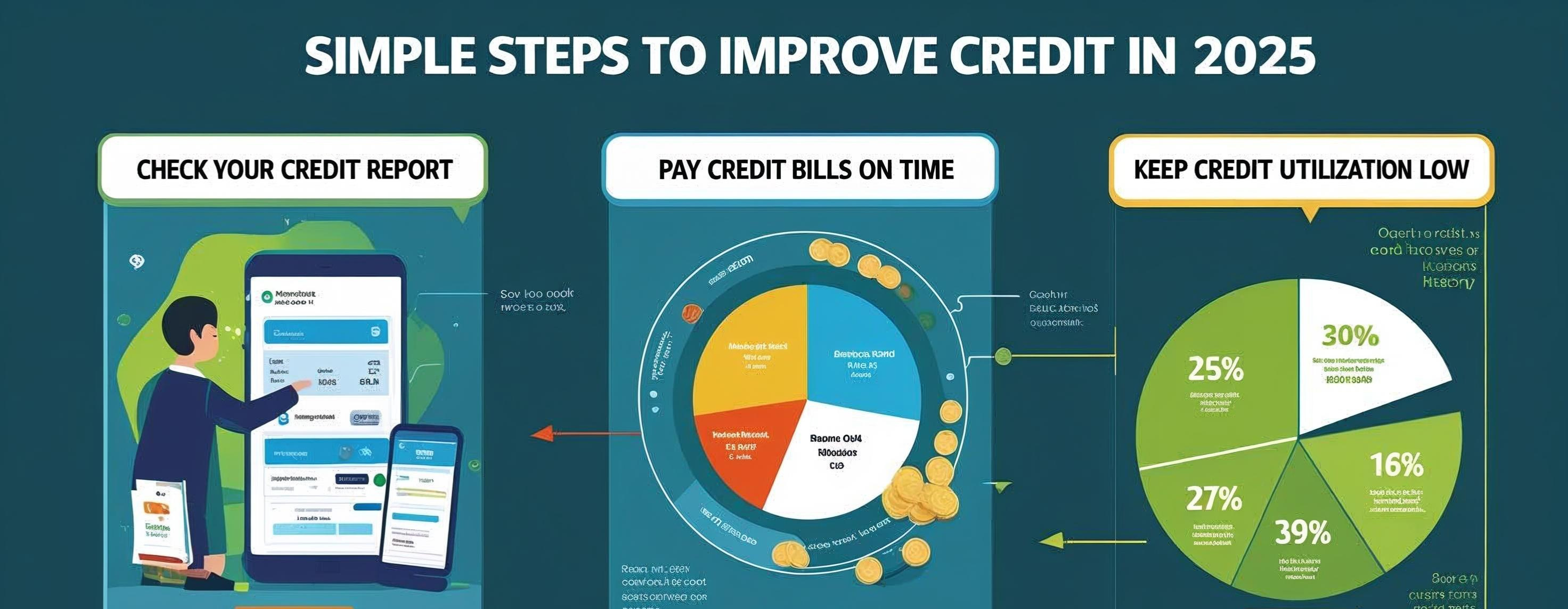
Check Your Credit Report
Start by knowing what’s on your report. Go to AnnualCreditReport.com for free access to all three bureaus (Equifax, Experian, and TransUnion). Scan for errors or fraudulent activity — even small mistakes can hurt your score. This is why credit matters: accuracy gives you control and prevents surprises when applying for loans or renting a home.
Pay Bills On Time
On-time payments are the #1 factor in your credit score. Late or missed payments can stay on your report for years. Set reminders or use auto-pay to stay ahead. This is why credit matters — showing lenders you’re dependable boosts your chances of approval and better rates for mortgages, credit cards, or even job applications.
Keep Credit Utilization Low
This means not maxing out your cards. Try to stay below 30% of your available limit — less is even better. If your card has a $5,000 limit, aim to use under $1,500. This is why credit matters: low utilization signals financial discipline and can quickly improve your credit score without needing new accounts.
Don’t Close Old Accounts
Even if you no longer use a card, keeping old accounts open helps your score by increasing the average age of your credit history. Unless there’s a high fee or risk of misuse, let those accounts age gracefully. This is why credit matters — your credit history shows lenders you’re consistent and trustworthy over time.
Avoid Too Many Hard Inquiries
Every time you apply for new credit, a hard inquiry is recorded. A few are okay, but too many within a short period can look risky. Be thoughtful — only apply when necessary. This is why credit matters: managing how and when you apply can help protect your score from unnecessary drops.
Use Credit-Building Tools
New to credit or rebuilding? Start with tools like secured credit cards, credit-builder loans, or rent reporting services such as Experian Boost or AxcessRent. These options show your financial behavior to bureaus, even without traditional loans. This is why credit matters — building a strong foundation now can open doors to better financial opportunities later.
Why Credit Matters for Your Future
Let’s imagine two people in 2025:
- Sam has a 780 credit score. He gets approved instantly for a mortgage, car loan, and business credit card — all at low rates.
- Jake has a 560 credit score. He’s denied for loans, rejected by landlords, and pays higher insurance rates.
The difference? Just credit.
If you want to own a home, save on interest, or build generational wealth — why credit matters should be part of your long-term strategy. The good news? Anyone can build great credit with time and smart habits.
Conclusion
In 2025, overlooking your credit is like leaving money — and opportunities — on the table. Your credit impacts nearly every corner of your life: housing, jobs, loans, even utility deposits. It can smooth the path to your goals or throw up costly roadblocks.
The good news? You don’t need to be wealthy or flawless to take control. Just stay consistent. Check your credit regularly. Understand where you stand. Take small, smart steps — and over time, those actions build real financial power.
Because in today’s world, why credit matters isn’t just a question — it’s the key to unlocking your future.