How to Buy Your First Home in 2025: Finally Make Your Dream a Reality
Introduction: Buy your First Home This Year
If you’ve ever scrolled through Zillow at 2 a.m., imagined painting the walls of a fixer-upper, or wondered whether you’ll ever be able to afford a down payment — welcome to the club. You’re not alone.
In 2025, over 4.3 million Americans are expected to buy their first home, according to the National Association of Realtors (NAR). And while rising mortgage rates and housing prices might make it feel like the dream is slipping away, the truth is: first-time homeownership is still very much possible — if you know how to navigate the process.
But here’s the reality: buying your first house isn’t just about finding a cute kitchen or a backyard for your dog. It’s a financial, emotional, and logistical journey that requires planning, patience, and the right information.
Whether you’re just starting to think about homeownership or you’re ready to make an offer next month, this guide will walk you through every single step — from saving your first dollar to holding the keys on closing day.
And yes — we’ll answer the big question: “How do I buy my first house with little money, average credit, and no experience?”
Let’s get started.
Step 1: Know Exactly How Much House You Can Afford
Before you fall in love with a home, you need to fall in love with your budget.
Too many first-time buyers make the mistake of browsing homes based on monthly payments alone. But affordability isn’t just about what you can pay — it’s about what you should pay without risking financial stress.
The 28/36 Rule Still Holds in 2025
Financial advisors still recommend the 28/36 rule:
- 28% of your gross monthly income should go toward housing (mortgage, taxes, insurance).
- 36% should go toward total debt (including car loans, student loans, credit cards).
Example:
If you earn $75,000/year ($6,250/month), your housing payment should be no more than $1,750/month, and total debt payments should stay under $2,250/month.
Use a free affordability calculator (like the one from NerdWallet or Bankrate) to plug in your income, debts, and estimated interest rates.
But remember: just because a lender says you qualify for $400,000 doesn’t mean you should borrow that much. Leave room for emergencies, vacations, and life.
Step 2: Start Saving — Now, Not “Someday”
The #1 reason people delay buying a home? “I don’t have enough saved.”
According to a 2025 survey by the Urban Institute, 38% of non-homeowners cite down payment and closing costs as their biggest barrier.
But here’s the good news: you don’t need 20% down to buy a home.
Here’s What You’ll Need to Save:
| Expense | Cost | Tips |
|---|---|---|
| Down Payment | $7,000 – $15,000 (3%–5%) | Use a high-yield savings account (HYSA) earning 4.5%+ APY |
| Closing Costs | $7,000 – $14,000 (2%–4%) | Ask about lender credits or apply for assistance programs |
| Moving Costs | $1,000 – $3,000 | DIY packing, rent a truck, or use U-Haul |
| Emergency Fund | $5,000+ | Don’t drain savings — keep 3–6 months of expenses |
Pro Tip: Open a dedicated “Home Fund” savings account. Automate $100–$300/month. In 3 years, that’s $10,800+ — enough for a solid down payment.
Step 3: Fix Your Credit — It’s Not as Hard as You Think
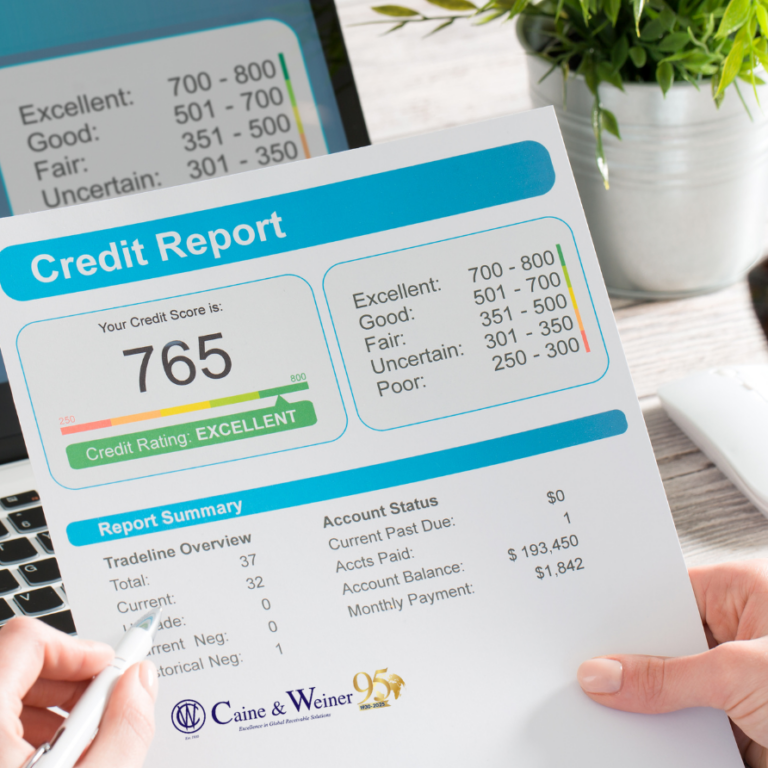
Your credit score is one of the most important factors in getting approved — and getting a low interest rate.
In 2025, the average mortgage rate for a borrower with a 760+ FICO score is 5.8%, while someone with a 620 score might pay 7.5% or more.
That difference? Over $300 extra per month on a $300,000 loan.
How to Improve Your Credit Fast:
- Check your credit reports for free at AnnualCreditReport.com
- Dispute errors (late payments, wrong balances) — it can boost your score in 30 days
- Pay down credit card balances — aim for under 30% utilization
- Don’t close old cards — length of credit history matters
- Avoid new credit applications 6 months before buying
Target Score:
- 620+ to qualify for most loans
- 700+ for the best rates
- 760+ for elite pricing
Step 4: Explore First-Time Home Buyer Programs (You Might Qualify)
This is where most buyers miss out.
Thousands of local, state, and federal programs offer:
- Down payment assistance (grants or 0% loans)
- Closing cost help
- Lower interest rates
- Tax credits (Mortgage Credit Certificates)
Example:
The California Homebuyer’s Downpayment Assistant Program (CHDAP) offers up to $75,000 in assistance for qualifying buyers in high-cost areas.
How to Find Programs in Your Area:
- Visit HUD.gov and enter your ZIP code
- Search “[Your State] + first-time home buyer program”
- Talk to a local housing counselor (free through HUD-approved agencies)
Myth Busting:
You don’t have to be low-income. Many programs accept six-figure earners if they’re buying in targeted neighborhoods or work in certain jobs (teachers, nurses, veterans).
Step 5: Know Your Mortgage Options — Not All Loans Are the Same
In 2025, you have more loan choices than ever. Here’s a quick breakdown:
| Loan Type | Down Payment | Credit Needed | Best for |
|---|---|---|---|
| Conventional | 3%–5% | 620+ | Buyers with good credit |
| FHA | 3.5% | 580+ | Lower credit or smaller down payment |
| VA | 0% | Varies | Veterans, active military |
| USDA | 0% | 580+ | Rural/suburban buyers |
| State Programs | 0%–5% | Varies | First-timers with assistance |
Fixed vs. Adjustable Rate?
Stick with a 30-year fixed-rate mortgage unless you plan to move in 5 years. Adjustable rates (ARMs) can spike after the initial period.
Step 6: Get Preapproved — Not Just Prequalified
Prequalification is just an estimate based on information you provide — no documents or credit check required. Preapproval, on the other hand, involves a lender verifying your income, assets, credit score, and employment through documentation and a hard credit inquiry.
Because preapproval confirms your financial readiness, sellers and real estate agents take your offer more seriously. It signals that you’re a qualified buyer who can follow through on a purchase, giving you a stronger position in competitive markets.
- Prequalified = Estimate based on self-reported info
- Preapproved = Verified by lender with credit check and documents
Sellers and agents take preapproval letters seriously. It shows you’re serious and financially ready.
How to Get Preapproved:
- Gather documents: W-2s, pay stubs, bank statements, ID
- Apply with 3–4 lenders (within 14–30 days to limit credit hits)
- Compare offers: interest rate, fees, loan terms
Nerdy Tip:
Ask lenders if their rate quote includes discount points. Some make rates look lower by including prepaid interest — which you may not want.
Step 7: Hire the Right Real Estate Agent
A great agent is worth their commission.
Look for someone who:
- Specializes in first-time buyers
- Knows your target neighborhoods
- Responds quickly
- Doesn’t pressure you
Ask for referrals from friends or search on Zillow, Redfin, or local Facebook groups.
Interview Questions to Ask:
- How many first-time buyers have you helped?
- Can I see references?
- How will you help me stay within budget?
- What’s your communication style?
Bonus: Some agents offer buyer rebates (where allowed) or can help you find off-market listings.
Step 8: Start House Hunting — But Stay Disciplined
Now comes the fun part.
Use sites like:
- Zillow
- Realtor.com
- Redfin
- Facebook Marketplace (for for-sale-by-owner homes)
But don’t fall in love too fast.
Red Flags to Watch For:
- Water stains on ceilings
- Cracks in foundation
- Musty smells (mold)
- Outdated electrical or plumbing
And remember: every home needs repairs. Focus on structure, location, and layout — not the ugly wallpaper.
Step 9: Make a Smart Offer
In competitive markets, your offer needs to stand out — without overpaying.
Tips to Win Bidding Wars:
- Offer slightly above asking (if justified by comps)
- Include a strong earnest money deposit ($2,000–$5,000)
- Waive minor contingencies (only if you’re comfortable)
- Write a personal letter to the seller (if allowed)
But don’t get emotional. If your offer is rejected, move on. The right home is out there.
Step 10: Schedule a Home Inspection (And Actually Read the Report)
This is non-negotiable. A professional inspector will check:
- Roof, foundation, HVAC, plumbing, electrical
- Pest infestation, radon, mold (if requested)
You’ll get a 20–50 page report. Read it. Ask questions.
Use it to negotiate repairs or a price reduction.
Step 11: Finalize Your Loan and Get Ready to Close
Your lender will:
- Appraise the home (to ensure it’s worth the price)
- Verify your employment and finances again
- Prepare closing documents
You’ll do a final walkthrough 1–2 days before closing to make sure everything’s in order.
Step 12: Close the Deal and Get the Keys
At closing:
- Sign tons of paperwork
- Pay closing costs (via wire or cashier’s check)
- Receive keys, garage openers, and peace of mind
🎉 Congratulations — you’re a homeowner.
Final Thoughts: Your First Home Is Within Reach
Buying your first house in 2025 isn’t easy — but it’s far from impossible. You don’t need perfect credit or a six-figure income to become a homeowner. What you do need is a clear plan, the discipline to save, and access to the right resources. From improving your credit score to exploring down payment assistance programs, every step you take today brings you closer to holding the keys to your first home. The process may feel overwhelming at times, but with the right guidance and preparation, you can navigate it confidently.
Start now by checking your credit report, opening a dedicated savings account for your down payment, and getting preapproved with a trusted lender. Once you’re financially ready, partner with a knowledgeable real estate agent who understands first-time buyers. Remember, you don’t have to have everything figured out — you just have to take the first step. The home of your dreams might be closer than you think, and in many cases, it’s just one preapproval letter away.