Can you use a HELOC to pay off student loans ?
Introduction
Student loan repayment decisions are rarely neutral choices; they reshape household balance sheets for decades. As outstanding education debt remains high and repayment periods lengthen, some borrowers consider using housing wealth to resolve obligations originally incurred for schooling. Among the options discussed in personal finance and policy circles is the use of a Home Equity Line of Credit (HELOC) to repay student loans. The appeal is understandable. Home equity often represents the largest pool of accessible capital for middle‑income households, and HELOC interest rates may appear competitive when compared with private education loans. Yet this strategy alters the character of the debt itself. This paper evaluates the financial logic of using a HELOC to repay student loans by examining risk allocation, policy protections, and long‑term household stability rather than focusing narrowly on interest rates.
Debt Structure and Legal Characteristics
A HELOC is a revolving credit facility secured against residential property. Borrowing limits are tied to the appraised value of the home and existing mortgage balances, and interest rates are typically variable. Payment requirements during the draw phase are often modest, but they increase substantially once the repayment phase begins.
Student loans operate under a different legal and economic rationale. Federal student loans are unsecured and embedded in a public policy framework designed to accommodate income uncertainty across the life course. Mechanisms such as income‑driven repayment, deferment, and forgiveness recognize that earnings trajectories are uneven, particularly in early and mid‑career stages. Private student loans are less flexible but still do not encumber housing assets. When a borrower replaces student loans with a HELOC, educational debt is transformed into housing‑secured debt, shifting risk from future income to present assets.
Perceived Advantages of the HELOC Approach
Interest Cost Comparisons
Lower nominal interest rates are often cited as the primary justification for HELOC‑based repayment. For borrowers with strong credit histories and substantial equity, HELOC rates have at times been lower than rates offered on private student loans. When repayment occurs quickly and income remains stable, these differences can reduce total interest paid.
Simplification of Financial Obligations
Some borrowers value the administrative simplicity of consolidating multiple student loan payments into a single credit line. During the draw period, interest‑only payments may also provide short‑term flexibility that eases monthly budgeting pressures.
Financial and Policy Risks
Loss of Income‑Responsive Repayment Options
Paying off federal student loans with a HELOC permanently removes access to income‑driven repayment plans and forgiveness programs. Recent policy research emphasizes that these features significantly reduce default risk during periods of labor market instability or personal hardship (Urban Institute, 2024). Without them, repayment becomes less responsive to changes in earnings.
Exposure to Interest Rate Fluctuations
HELOCs almost always carry variable interest rates. The monetary tightening cycle between 2022 and 2023 demonstrated how rapidly borrowing costs can rise. Empirical research in household finance shows that payment volatility, rather than debt volume alone, is a central contributor to financial stress (Mian, Sufi, & Verner, 2023).
Housing Security and Foreclosure Risk
The most consequential implication of using a HELOC is the introduction of foreclosure risk. Defaulting on student loans damages credit and can trigger collections, but it does not place a primary residence at immediate risk. In contrast, failure to meet HELOC obligations can ultimately result in the loss of housing. Consumer protection agencies consistently advise caution when converting unsecured liabilities into debt secured by essential household assets.
Behavioral Dynamics of Revolving Credit
Because a HELOC remains open after balances are reduced, it can encourage repeated borrowing. Behavioral finance studies suggest that access to revolving credit increases the likelihood of re‑accumulating debt, particularly when households face unexpected expenses. As a result, a strategy intended to reduce leverage may inadvertently prolong it.
Counterargument and Synthesis
There are circumstances in which using a HELOC to repay student loans may appear defensible. Borrowers with high‑interest private student loans, substantial emergency savings, low loan‑to‑value ratios, and stable, high incomes may be able to repay a HELOC rapidly, limiting exposure to interest rate and foreclosure risk. Recent post‑2023 analyses of refinancing behavior suggest that such cases exist but are uncommon.
Synthesizing evidence across housing finance and student loan policy research indicates that alternative strategies often achieve similar outcomes with less risk. Private student loan refinancing can lower interest rates without securing the debt against housing, while federal repayment programs continue to offer protection against income shocks. From a risk‑adjusted perspective, the HELOC approach represents a concentrated gamble on continued income stability rather than a broadly prudent repayment strategy.

Conclusion
Using a HELOC to repay student loans is permissible but consequential. While lower interest costs and simplified payments may appear attractive, these benefits are offset by the loss of federal borrower protections, exposure to variable interest rates, and the introduction of foreclosure risk. For most borrowers, particularly those with federal student loans, these trade‑offs weaken the case for using home equity in this way. In limited scenarios involving private loans and strong financial buffers, the strategy may be viable if pursued cautiously and repaid quickly. Ultimately, decisions of this magnitude should be guided by an assessment of long‑term household security rather than short‑term cost comparisons.
Frequently Asked Questions
1. Can I legally use a HELOC to pay off student loans?
Yes. There is no legal restriction on using HELOC funds to repay student loans. Once the funds are disbursed, lenders generally do not control how they are used. The decision is financial rather than legal, and the risks depend on your broader circumstances.
2. Does using a HELOC make sense for federal student loans?
In most cases, no. Federal student loans come with protections such as income-driven repayment and potential forgiveness. Paying them off with a HELOC permanently removes those options, replacing them with debt secured by your home.
3. Is this a good option for private student loans?
It can be, but only in limited situations. Borrowers with high-interest private loans, stable income, and significant home equity may benefit if they plan to repay the HELOC quickly and avoid long-term exposure to variable rates.
4. Are HELOC interest rates always lower than student loan rates?
Not always. HELOC rates are variable and can rise over time. While they may start lower than private student loan rates, they can exceed them during periods of rising interest rates.
5. What happens if I lose my job after using a HELOC to pay student loans?
This is one of the main risks. Unlike federal student loans, HELOCs do not adjust payments based on income. Missing payments can eventually put your home at risk.
6. Can HELOC interest be tax-deductible if used for student loans?
Generally, no. Under current U.S. tax law, HELOC interest is only deductible when the funds are used to buy, build, or substantially improve the home securing the loan.
7. Does using a HELOC hurt my credit score?
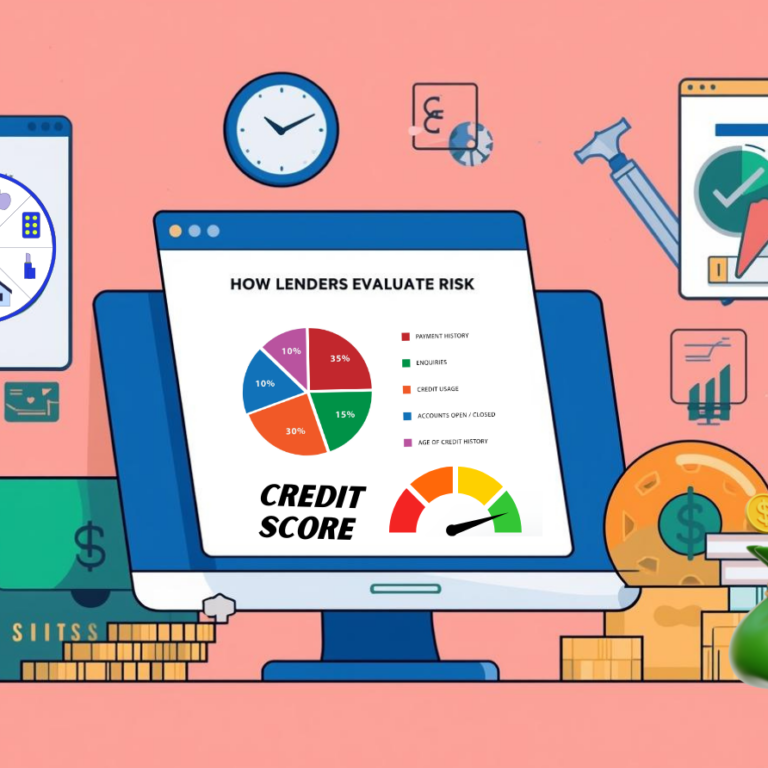
It can have mixed effects. Paying off student loans may improve your credit profile, but taking on large revolving debt can increase utilization and introduce new risk if balances remain high.
8. Is refinancing student loans a safer alternative?
For many borrowers, yes. Student loan refinancing can reduce interest rates without converting unsecured debt into debt tied to your home.
9. How much equity is too much to risk for student loans?
There is no universal threshold, but financial planners often caution against borrowing aggressively against a primary residence for non-housing expenses unless the repayment timeline is short and well-funded.
10. What should I consider before making this decision?
Before using a HELOC, evaluate income stability, emergency savings, alternative refinancing options, and how comfortable you are placing your home at risk to resolve educational debt.