How to Be a Successful Long Distance Landlord: 15 Expert Tips
Managing rental properties is no walk in the park, and doing it from hundreds—or even thousands—of miles away? That can feel overwhelming. Whether you’re moving for work, investing in out-of-state properties, or managing a home you inherited, becoming a long distance landlord is entirely doable—if you have the right strategies in place.
This comprehensive guide covers 15 practical, real-world tips to help you stay in control, protect your investment, and maximize your income, even when you’re miles away.
1. Understand the Pros and Cons of Long Distance Landlord
Before you jump into long-distance property management, it’s crucial to understand the unique set of benefits and challenges that come with being a remote landlord. On the upside, managing rental properties from afar gives you access to more affordable or higher-yield real estate markets. You’re not limited to your local area, you can invest where the numbers make sense. This flexibility often leads to better cash flow, appreciation potential, or tax advantages. Additionally, being physically distant may help you treat your property more like a business and less like an emotional asset, allowing you to make logical, profit-driven decisions. It also opens doors to diversify your portfolio across cities or even states, reducing your overall investment risk.
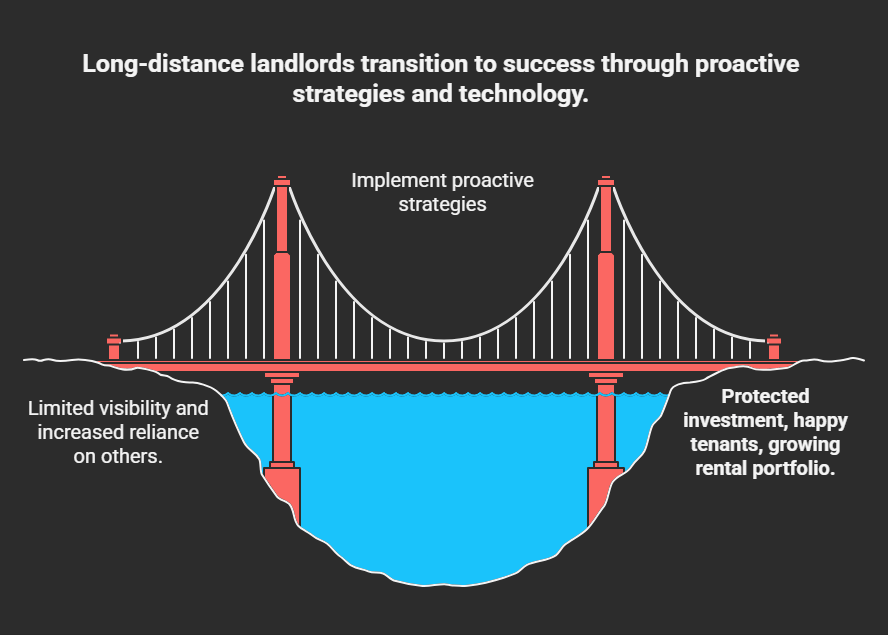
However, remote land lording isn’t without its downsides. Not being nearby means you’ll have limited visibility into your property’s condition. Routine inspections, emergency repairs, or unexpected issues may take longer to resolve, especially if you don’t have a trusted team in place. You’re also more reliant on others like property managers, contractors, or even neighbors for updates and support. This reliance can increase operational costs and may sometimes lead to miscommunication or delays. That’s why it’s essential to plan ahead, have clear systems, and budget both time and money for remote management needs. Understanding these pros and cons upfront will help you set realistic expectations and better prepare mentally, logistically, and financially—for success as a long distance landlord.
2. Choose the Right Property for Remote Management
Not all properties are equally suited for long distance landlord. When you’re investing from afar, you want a rental that’s as hands-off as possible. Choosing the right type of property can significantly reduce your stress, save you money on maintenance, and lower the likelihood of emergency calls. The fewer things that can go wrong, the smoother your experience will be. So, when you’re shopping for a rental with remote management in mind, prioritize properties that are easy to maintain and located in dependable areas.
Here are ideal property features to look for as a long distance landlord:
- Low-maintenance units – Condos, townhomes, or newer construction homes typically require less upkeep and fewer repairs.
- Safe, stable neighborhoods – Invest in areas with low crime rates and consistent tenant demand to reduce turnover and unexpected issues.
- Properties with HOAs or community management – Homeowners Associations can take care of common area maintenance like landscaping, snow removal, and exterior repairs, making your job easier.
By being selective upfront, you’ll set yourself up for a more manageable and profitable experience—especially when you can’t be there in person.
3. Hire a Reliable Property Management Company
One of the most powerful steps you can take as a long distance landlord is hiring a professional property management company. When you’re hundreds or thousands of miles away, having someone on the ground who knows the area, understands local laws, and can respond quickly to tenant needs is invaluable.
One of the most common ways to successfully manage from afar is to hire a local property manager.
Look for a company that:
- Has positive online reviews
- Is licensed and insured
- Provides transparent pricing
- Offers detailed monthly reports
💡 Pro tip: Interview multiple companies and request references before signing a contract.
4. Build a Trusted Local Team
Even if you hire a property manager, it’s wise to have your own trusted network of professionals. There may be times when you want a second opinion or need help outside your manager’s office hours. Building relationships with reliable local contractors can save you from headaches later on.
- A handyman
- A plumber
- An electrician
- A locksmith
- A real estate attorney
This gives you options in case you need a second opinion or quick service outside of the management company.
5. Invest in Smart Home Technology
In the digital age, smart home tech is a game-changer for long distance landlords. Not only can it make life easier for your tenants, but it also gives you peace of mind knowing you can monitor certain aspects of your property remotely.
Benefits include:
- Remote access for tenant move-ins or inspections
- Alerts for unauthorized access or damage
- Peace of mind knowing you can see what’s happening at your property anytime
Brands like Ring, Nest, and SimpliSafe are popular for a reason.
6. Screen Tenants Thoroughly
When you’re managing remotely, you won’t be around to deal with every issue, so it’s vital to find tenants who are responsible, reliable, and respectful. In fact, thorough tenant screening might be the most critical step in your long distance landlord journey.
- Pays rent on time
- Treats the property with respect
- Communicates responsibly
Use professional background checks, verify employment and income, and check landlord references.
💡 Consider adding a clause for routine virtual inspections in your lease.
7. Create a Rock-Solid Lease Agreement
A clear lease reduces misunderstandings and gives you legal protection. Ensure your lease includes:
- Rent amount and due date
- Maintenance responsibilities
- Rules for pets, guests, and subletting
- Notice required for ending lease
Work with a local real estate attorney to ensure it complies with state and city laws.
8. Maintain Regular Communication With Tenants
Don’t be a stranger. Set expectations early by telling your tenants how and when to reach you.
Use tools like:
- Email or SMS
- Property management platforms like Buildium or TenantCloud
- Scheduled monthly check-ins
Open communication builds trust and can alert you to small issues before they become costly problems
9. Stay On Top of Maintenance and Repairs
Out of sight doesn’t mean out of mind. Routine upkeep prevents emergencies and keeps tenants happy.
Create a maintenance calendar and include:
- Seasonal HVAC servicing
- Gutter and roof inspections
- Plumbing and water heater checks
If you’re using a property manager, ensure they’re proactive and transparent about maintenance.
10. Perform Regular Property Inspections
Schedule inspections at least once or twice a year. If you can’t make it yourself:
- Have your property manager perform it and send photos
- Hire a local inspector
- Use video call walkthroughs with tenants
This keeps tenants accountable and helps catch red flags early.
11. Automate Rent Collection and Expenses
Don’t chase checks in the mail. Use digital tools to make rent collection seamless.
These tools can:
- Send automatic rent reminders
- Deposit funds directly to your account
- Track late payments and generate reports
This is crucial for maintaining cash flow while managing from afar.
12. Get Proper Insurance and Know Local Laws
Every state has different landlord-tenant laws, so it’s critical to stay informed.
Also, make sure you have:
- Landlord insurance (not standard homeowner’s)
- Liability protection
- Optional loss-of-rent coverage
⚠️ Ignorance of the law isn’t an excuse—research or hire a legal professional to protect yourself.
13. Have a Clear Emergency Plan
Whether it’s a burst pipe or an electrical fire, you need a system in place.
Include:
- Who to call for each emergency
- How quickly the tenant should notify you
- Backup contacts if the first line of help is unavailable
Provide your tenants with an emergency contact list on move-in day.
14. Plan for Visits at Least Once a Year
Even the best systems can’t replace eyes on the ground. Try to visit your property at least annually to:
- Meet with your property manager
- Walk through the unit(s)
- Review financials in person
- Connect with local contractors or vendors
Your presence reminds everyone that you’re involved and paying attention.
15. Track Finances Like a Business
Treat your rental like the investment it is. Keep detailed records of:
- Rent received
- Repairs and maintenance costs
- Property taxes and insurance
- Mileage and travel costs
Use software like QuickBooks, Stessa, or Wave to manage your finances and prep for tax time with ease.
Real-World Example: How Sarah Built a Portfolio from 1,000 Miles Away
Sarah, a tech professional living in California, began buying rental properties in Ohio due to affordability. Using a local property manager and smart tech tools, she’s grown to manage five single-family homes remotely. Her biggest tip? “Don’t skimp on screening, and always hire local experts who know your property better than you can.”
Final Thoughts: You Can Do This
Becoming a successful long distance landlord might feel overwhelming at first, but it’s absolutely achievable. The key is to stay proactive. Whether it’s choosing reliable tenants, using smart technology, or building a dependable team of professionals, every step you take helps build a solid foundation for your rental business. You don’t need to be physically close to your property to manage it well—you just need the right systems in place. The more consistent you are with your processes, the fewer surprises you’ll encounter, and the more confident you’ll feel managing from afar.
Remember, you don’t have to do everything all at once. Start by focusing on one or two tips from this guide—like improving your lease agreements or automating rent collection—and gradually build from there. Many landlords before you have successfully managed properties across states or even countries. With patience, persistence, and the strategies you’ve learned here, you can protect your investment, keep tenants happy, and even grow your rental portfolio. You’ve got this!